Table of Contents
Two key memory formats shape modern desktops and laptops. DDR4 served as the standard for many years, and DDR5 RAM rose fast with fresh gains in speed and capacity. A clear view of both formats helps buyers choose the right path for a new system or an upgrade. The goal is clarity without complex jargon or vague claims.
Many users plan upgrades for smooth daily tasks, high-action titles, or pro-level creative efforts. During this process, older components often get replaced or repurposed. Some users even explore ways to sell RAM from previous systems to recover part of their upgrade budget. This article outlines the key advantages and drawbacks of DDR4 and DDR5 to help readers make a confident choice in 2026.
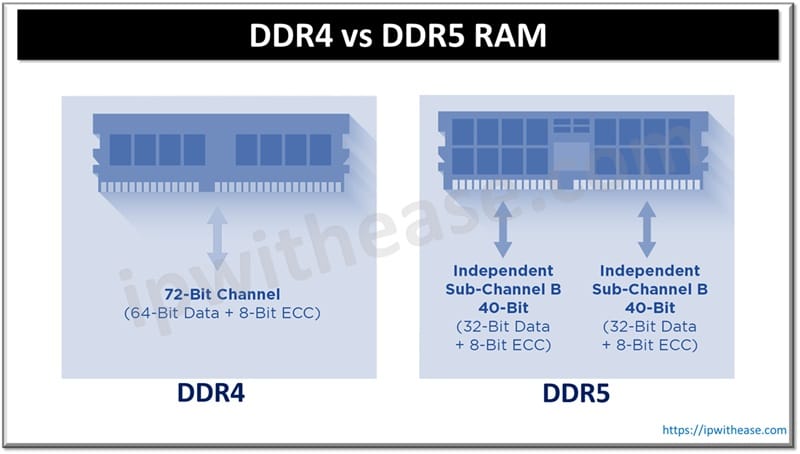
DDR4 Strengths That Still Matter
DDR4 reached a mature phase with broad support across countless systems. Its reputation is built on strong reliability, broad market presence, and accessible pricing. Hardware from many earlier generations still depends on it, giving those systems plenty of capability for routine tasks and balanced performance.
A few core traits give DDR4 dependable appeal.
Key advantages
- Low cost in most markets
- Tight latency for snappy response
- Wide support across older boards
DDR4 suits users who want a budget-friendly path. A build that uses DDR4 often leaves room for a stronger CPU or GPU because the memory cost stays low. That balance appeals to users who want solid output without a premium bill.
Related: RAM vs ROM
Where DDR4 Feels Limited
DDR4 now faces clear limits. The speed and capacity range of DDR4 no longer satisfy rising performance requirements. Tools built for detailed visuals and large creative files highlight these gaps. Users who want extra breathing room for future software or more complex tasks may find DDR4’s ceiling restrictive.
DDR5 Power for Modern Loads
DDR5 moved from early buzz to strong adoption by 2026. Boards from major vendors now treat it as a core standard. Its gains feel real in advanced workloads, high frame rate titles, and superior multitasking setups.
Why DDR5 RAM Stands Out
DDR5 raises per-module capacity. It allows faster data paths along with refined power controls. These traits help systems deliver smooth output under heavy load.
Key traits include:
- Higher speed grades for swift data flow
- Larger capacity options
- Better power distribution for stable output
Modern CPUs favor memory that can feed data at high volume. DDR5 supports those demands with room to grow. As more apps scale upward, DDR5 ensures the system keeps pace.
Practical Impact in Daily Use
Some users feel the gains more than others. High-refresh titles see faster level loads and more stable frame output. Content pros note shorter export times due to faster data access. Even casual users feel fewer slow moments when many tabs stay open for long stretches.
Platform Costs and Upgrade Choices
A shift from DDR4 to DDR5 often calls for a fresh board and a newer CPU. That raises the total cost of entry. Buyers who plan full system upgrades often accept that path for long-term value. Buyers who only want a simple memory bump may hesitate.
Budget shapes the choice more than raw specs. DDR4 offers a soft hit on the wallet, plus easy swaps on older boards. DDR5 commands a higher initial price, yet it delivers a path that supports future software for many years.
Smart upgrade paths
A user with:
- An older CPU and DDR4 board may pick a simple DDR4 bump.
- A new CPU plan in mind may shift toward DDR5 for lasting value.
Boards that support DDR5 often include stronger features such as faster PCIe slots, modern ports, and refined power controls. Those extras add quite a few benefits beyond the memory format itself.
Performance Gains Across Real Tasks
The step from DDR4 to DDR5 does not appear as a miracle leap for every app. Gains vary across tasks. Some titles and creative tools ride memory speed more than others. Still, DDR5 shows a clear lead in most modern workloads.
Where DDR5 shines
- High frame titles that load vast assets
- Video edits at 4K or above
- Heavy multitasking setups with many active programs
A major advantage lies in the extra capacity that DDR5 supports. A 64 GB or 128 GB setup feels normal for DDR5. That helps advanced users handle complex layers, huge project files, or vast data tables without sluggish pauses.
Which Memory Format Makes Sense in 2026?
DDR4 retains a place for budget builds or quick drops into older boards. Its value stays strong for casual tasks or light creative use. A DDR4 setup may serve well for several more years if upgrade cycles stay modest.
DDR5 stands as the forward path. Its speed, capacity, and power traits solve demands that rise each year. A buyer who plans a new CPU or fresh board gains long-term clarity by selecting DDR5. That choice secures room for advanced apps and future titles.
Price remains the only major barrier for some users. Yet trends in 2026 show DDR5 modules with lower costs than in the early years. As supply grows, DDR5 reaches more buyers who want premium output without a steep bill.
Memory choices influence the system’s feel far more than many expect. DDR4 fits steady tasks with a friendly price. DDR5 opens a door to faster output, modern features, and capacity that suits future software. A balanced look at budget, hardware condition, and future needs helps every buyer decide with confidence. A user who plans a fresh build gains far more value from DDR5. A user on an older board may pick DDR4 for convenience. You can even choose to sell RAM from past systems to offset upgrade costs. The key is a clear view of present needs, plus enough vision for future growth that keeps the system ready for modern demands.
ABOUT THE AUTHOR

IPwithease is aimed at sharing knowledge across varied domains like Network, Security, Virtualization, Software, Wireless, etc.